
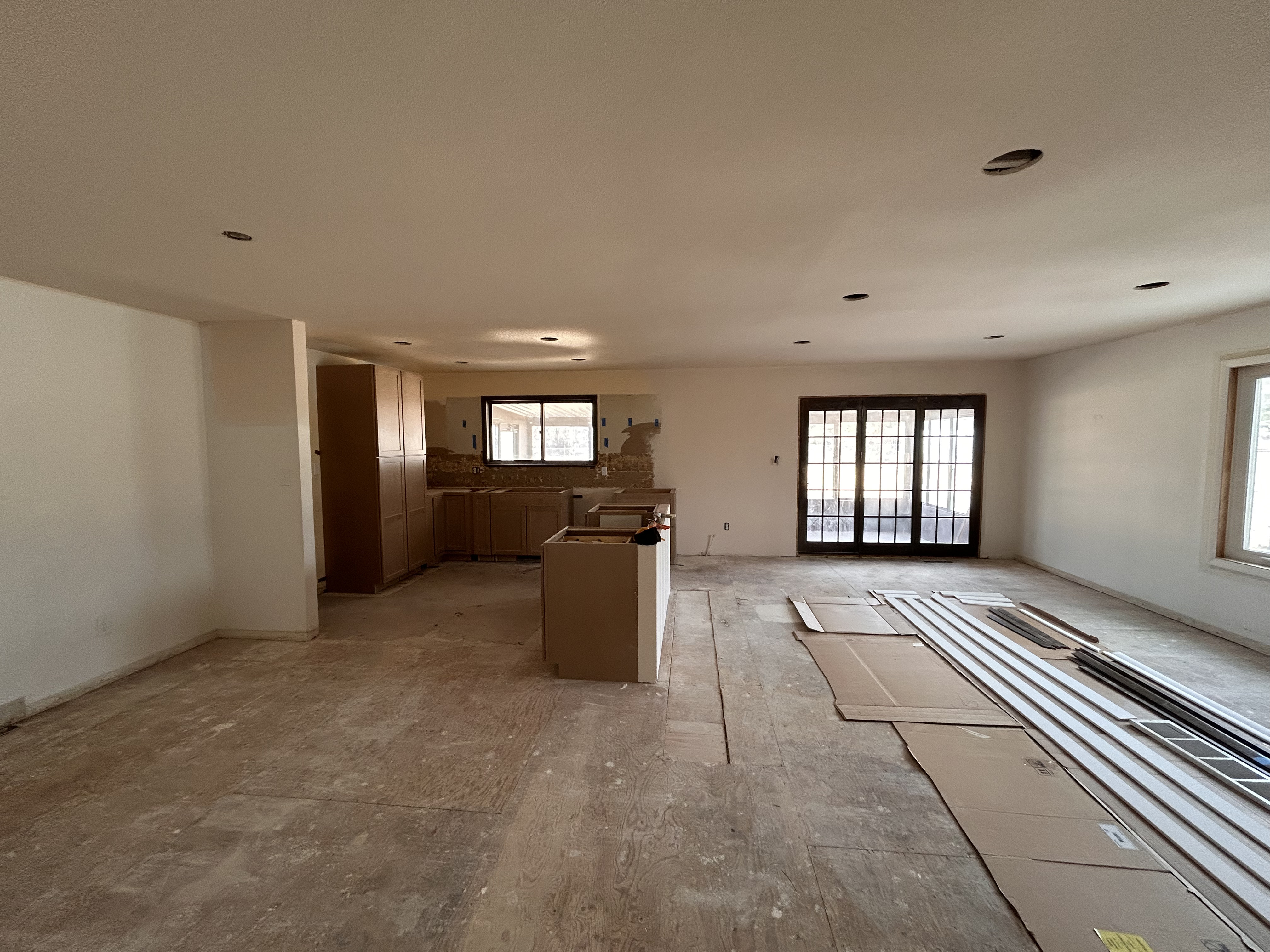
A beautiful paint job does not start with the paint. It starts with preparation. Many homeowners focus on color first, but the way a surface is prepared has a major impact on how the final result looks, feels, and lasts.
Whether you are painting interior walls, exterior siding, trim, doors, cabinets, or repaired drywall, preparation is what creates the foundation for a clean and professional finish. Without proper preparation, paint may look uneven, peel too soon, show old imperfections, or fail to bond correctly to the surface.
At Bagui Painting & Remodeling, we believe preparation is one of the most important parts of any painting project.
What Is Surface Preparation?
Surface preparation is everything that happens before paint is applied. Depending on the project, this may include cleaning, patching, sanding, scraping, caulking, priming, repairing damaged areas, protecting nearby surfaces, and making sure the surface is ready to receive paint.
For interior painting, this may mean filling nail holes, smoothing rough patches, sanding old repairs, protecting floors and furniture, and priming stained areas. For exterior painting, preparation may include removing loose paint, cleaning dirt or debris, sanding rough surfaces, sealing gaps, and priming bare or damaged areas.
The goal is simple: create a surface where paint can apply smoothly and stay in place.
Preparation Helps Paint Look Smoother
Paint does not hide every problem. In many cases, paint can actually make imperfections more visible. Dents, cracks, rough patches, peeling paint, uneven texture, and old repairs can stand out after a new coat is applied if they are not corrected first.
Professional preparation helps create a smoother surface so the finish looks cleaner and more polished. This is especially important in high-visibility areas like living rooms, kitchens, hallways, entryways, doors, trim, and cabinets.
A well-prepared wall does not just look painted. It looks finished.
Preparation Helps Paint Last Longer
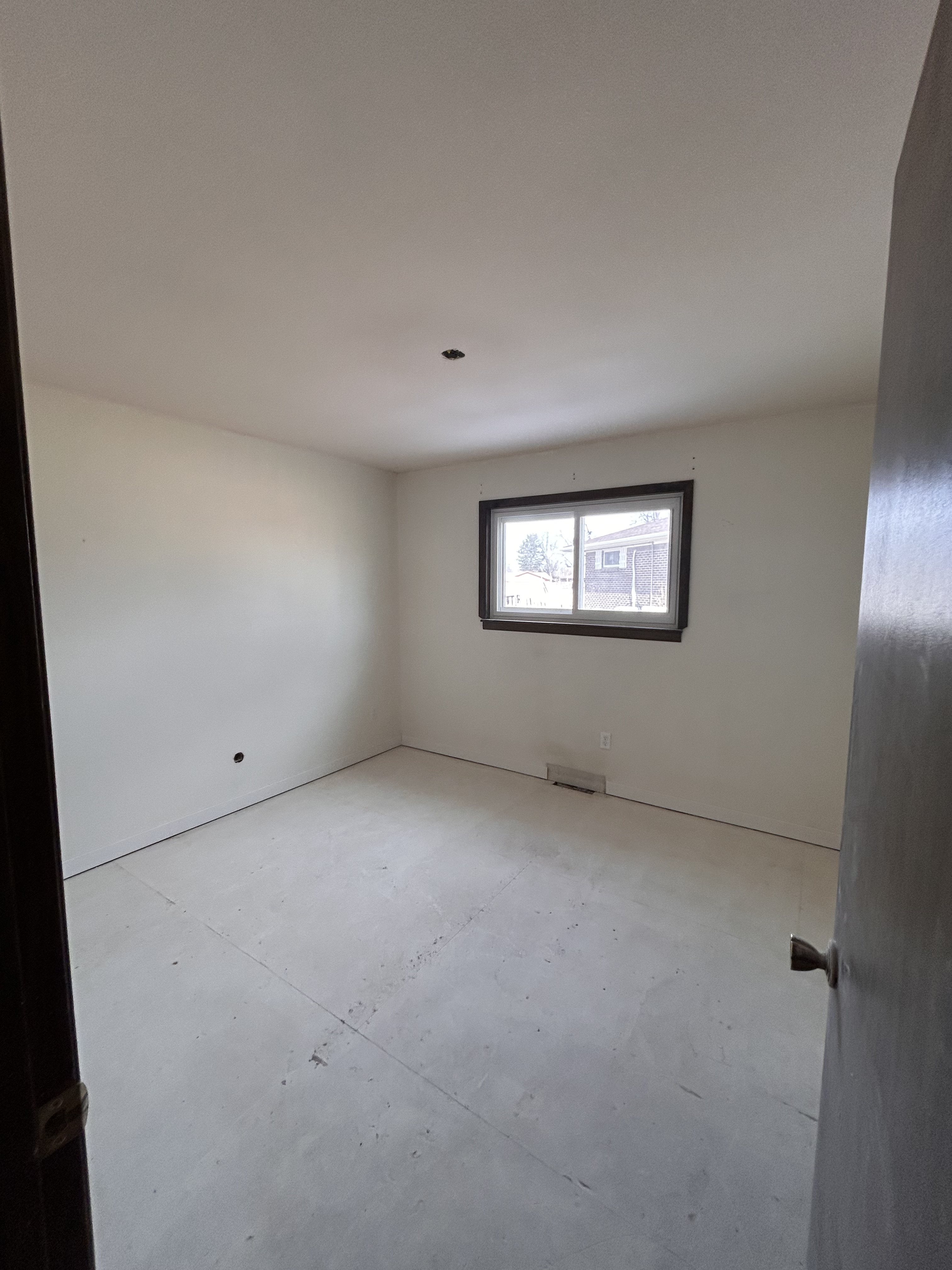
One of the biggest reasons paint fails early is poor preparation. If paint is applied over dirt, dust, loose paint, moisture, glossy surfaces, or damaged areas, it may not bond properly. Over time, this can lead to peeling, bubbling, cracking, or uneven wear.
Exterior painting in Denver requires extra attention because homes are exposed to sun, wind, snow, moisture, and temperature changes. If the surface is not properly cleaned, scraped, caulked, and primed, the finish may not perform as well.
Good preparation helps the paint adhere better and gives the project a stronger chance of lasting longer.
Preparation Protects Your Home
Painting is not only about appearance. It can also help protect your property. Exterior paint helps shield siding, trim, doors, and other surfaces from moisture and weather. Interior paint helps protect walls and surfaces from daily wear.
But paint can only protect well when it is applied to a properly prepared surface. If gaps are not sealed, damaged areas are not repaired, or failing paint is not removed, problems can continue underneath the new finish.
Surface preparation helps identify and correct issues before they become more noticeable.
Preparation Makes the Final Color Look Better
Color can look different depending on the surface underneath. Stains, uneven patches, dark previous colors, repairs, and surface texture can affect the final appearance. Priming and proper preparation help create a more consistent base, which allows the new color to look cleaner and more even.
This matters for both interior and exterior painting. It also matters for cabinet refinishing, where smooth application and consistent finish are essential.
If the goal is a professional result, preparation cannot be skipped.
Preparation Shows Professionalism
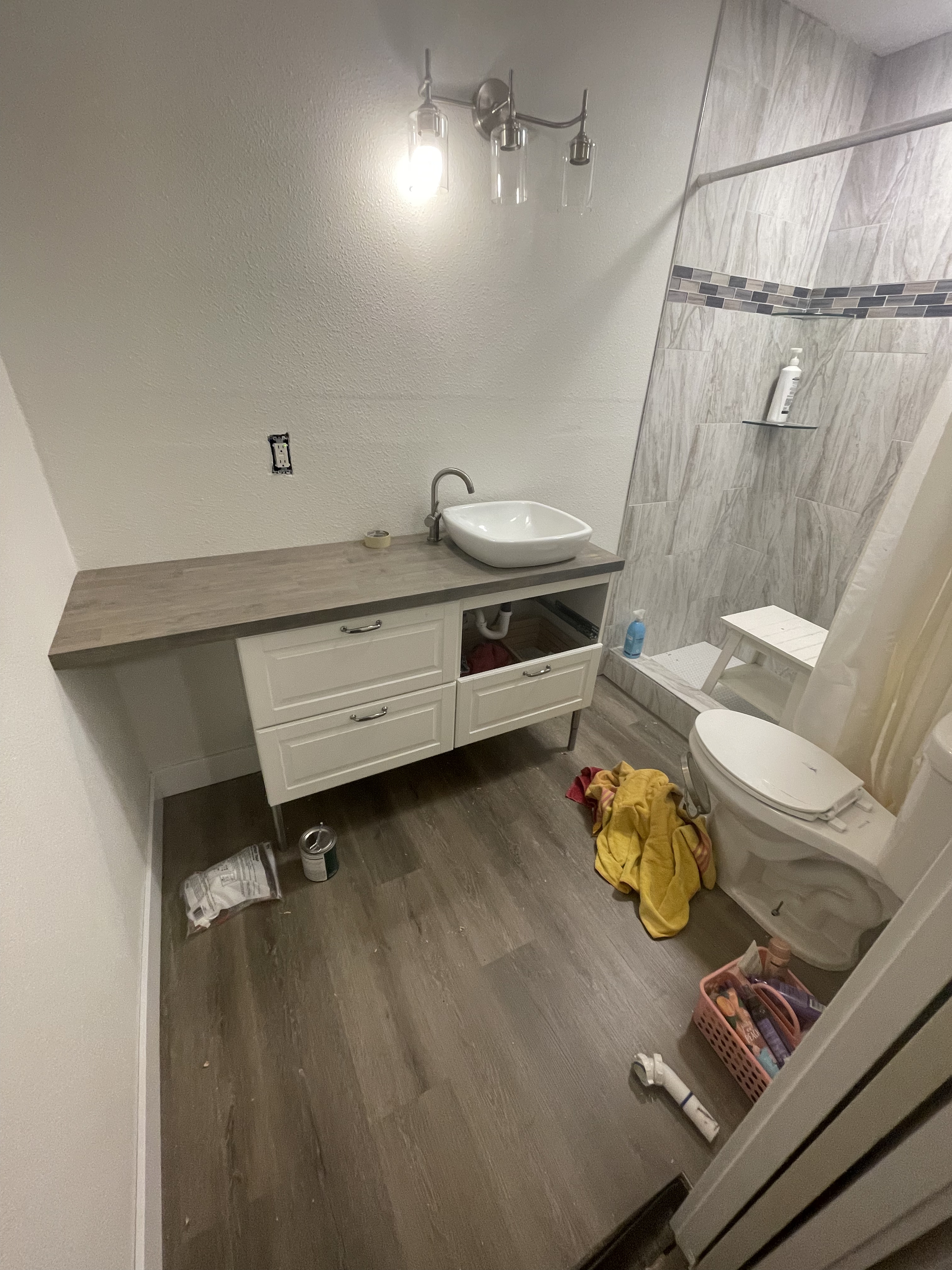
A professional painting contractor does not rush straight to painting. They take time to inspect, prepare, protect, and plan. This creates a better experience for the client and a better final result.
At Bagui Painting & Remodeling, our team focuses on clean work areas, careful surface preparation, and attention to detail. We know that clients are not just paying for paint. They are paying for the process, the protection, the finish, and the confidence that the work was done correctly.
Common Surface Preparation Steps
For most painting projects, preparation may include cleaning the surface, removing loose paint, filling holes or cracks, sanding rough areas, caulking gaps, priming when needed, covering floors and furniture, protecting landscaping or fixtures, and reviewing the surface before painting begins.
Not every project needs every step, but every project needs the right preparation for that specific surface.
Final Thoughts
Surface preparation is one of the most important parts of a quality paint job. It helps paint look smoother, last longer, bond better, and protect your home more effectively. Skipping preparation may save time in the moment, but it often leads to lower-quality results and future problems.
Bagui Painting & Remodeling provides interior painting, exterior painting, cabinet refinishing, drywall repairs, and home renovation services across the Denver Metropolitan Area and Northern Colorado.
Ready for painting work that starts the right way? Schedule your free estimate today.


.png)


.svg)


